For consumer-packaged goods (CPG) distributors, inventory management is more than just tracking products; it’s a daily battle to stay ahead of demand, avoid waste, and keep retailers happy. According to a 2023 report by Deloitte, 79% of CPG companies cite inventory visibility as their top supply chain challenge, especially with the growing complexity of multi-channel distribution and shorter product life cycles. As logistics expert Lora Cecere aptly puts it, “You can’t manage what you can’t see.”
When inventory becomes out of sync, it not only hurts your bottom line; it can erode brand trust and disrupt key retail partnerships. But the good news is that the right strategies, together with purpose-built tools, can enable distributors to make a transition from reactive firefighting to proactive control, making inventory a competitive advantage instead of a source of ongoing stress.
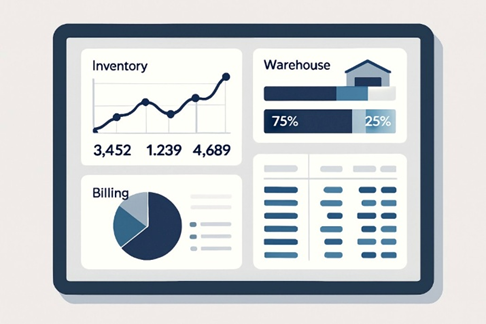
What is Inventory Management in CPG?
Inventory management in CPG (Consumer Packaged Goods) is the strategic process of overseeing the flow of products from manufacturers through distributors to retail shelves. Its primary goal is to maintain the “perfect order” balance, ensuring sufficient stock to meet consumer demand (avoiding stockouts) while minimising excess supply that leads to high storage costs or product expiry waste.
Why Inventory Management in CPG is Unique (and Challenging)
If you are a CPG distributor, you know your business is not like just any warehouse operation. There are thousands of SKUs with varying shelf lives, multiple warehouses, and a complex web of supply chains. This often leads to common operational mistakes and creates a few key headaches:
- Not Knowing What is En Route: It can be stressful to promise retailers stock you know is already dispatched from your supplier but has not yet landed in your warehouse. Without clear visibility on goods in transit, you risk either disappointing customers or committing to orders you cannot fulfill.
- Batch Tracking and Managing Returns: Each batch of products comes with its own expiry dates and sometimes quality issues. Without precise batch-level tracking, handling recalls or processing returns becomes a slow, error-prone task that can damage your brand’s trustworthiness.
- Valuing Inventory Across Multiple Sites: Managing stock across several warehouses is not just about counting boxes. Price variations between batches and scattered data make manual valuation a time-consuming and error-prone process.
- System vs. Reality Stock Mismatches: Sometimes stock disappears from your system, whether due to unauthorized sales or recording mistakes. This disconnect makes stock reconciliation frustrating and can lead to costly mistakes.
- Managing Product Expiry: If older products are not rotated out through FIFO (First In, First Out) principles, they risk expiring on shelves, meaning lost revenue and waste.
- Tracking Damaged and Returned Stock: When returns or damaged goods are logged inconsistently or across different systems, it slows down claims processing and distorts inventory accuracy.
Traditional vs. Modern CPG Inventory Management
To understand how to solve these challenges, it is helpful to see how modern, tech-enabled processes compare to traditional manual methods:
| Feature |
Traditional CPG |
Modern Tech-Enabled CPG |
| Data Visibility |
Manual/Monthly Audits |
Real-time Secondary Sales |
| Tracking |
Paper-based/Spreadsheets |
Automated Batch & QR Tracking |
| Forecasting |
Gut feeling/Historical only |
AI-driven Demand Sensing |
| Expiry Risk |
High (Human Error) |
Low (System-generated Alerts) |
How to Smooth Out These Inventory Challenges
Addressing these hurdles does not require magic, but a combination of smart practices and an effective stock management system to maintain control:
- Keep an Eye on Every Movement: Real-time updates on stock levels, especially products that are in-transit, help you give accurate delivery promises and avoid stockouts.
- Track Every Batch, Every Time: With batch-level data on expiry dates and quantities, you can quickly isolate problematic stock for recall or return without disrupting the entire inventory.
- Bring Your Warehouse Data Together: Centralizing all your warehouse information in one platform simplifies reporting and valuation and saves hours of manual juggling.
- Approve Manual Adjustments: Sometimes, stock counts need correcting, but only with proper checks so your system does not get out of sync with reality.
- Stick to FIFO: Moving older stock first not only reduces waste but also strengthens supply chain efficiency.
- Consolidate Damage and Return Info: A unified dashboard for damaged and returned products speeds up resolution and helps you plan smarter replenishments.
How Our MAssist Distributor Management System Makes a Real Difference
Our MAssist Distributor Management System is built to meet the unique demands of distributors, offering tools that simplify and streamline operations:
- See It All, Instantly: Our MAssist system offers real-time insights into SKU-level stock across warehouses, in transit, and at retail outlets, so you are never guessing what is actually available.
- Easy for Everyone to Use: Its user-friendly interface means your team spends less time figuring out software and more time managing your products and customers.
- Flexible Product Handling: Whether it is saleable, non-saleable, or expired stock, Our MAssist solution lets you manage everything according to your company’s policies, reducing losses.
- Simplify Returns: Return processes tied to SKU and invoices become transparent and quick, cutting down administrative delays.
- Automate Your Billing: With single-click invoicing and options for paperless delivery via email or WhatsApp, you speed up transactions while supporting environmentally friendly practices.
- Manage Discounts and Claims Intelligently: Our MAssist system helps you structure schemes and discounts clearly and identifies false claims, improving accuracy and saving costs.
- Centralized Data Boosts Teamwork: With all info in one place, your sales, warehouse, and finance teams can work in sync, smoothing out the whole supply chain and cutting operational expenses.
Practical Tips to Stay Ahead in Inventory Management
- Regularly audit your stock to spot mismatches early and avoid surprises.
- Train your team consistently on how to use your systems and follow inventory protocols.
- Keep communication flowing between all departments: sales, warehouse, and headquarters, to ensure everyone is on the same page.
- Use automation and analytics to remove repetitive tasks and gain insights that sharpen your forecasting and planning.
FAQs-
1. What are the 3 biggest risks of poor inventory management in CPG?
The three primary risks are stockouts (lost sales and damaged retailer relationships), expiry waste (direct financial loss due to perishable goods), and high carrying costs (capital tied up in slow-moving stock). Modern systems mitigate these by providing real-time visibility into secondary sales.
2. How does a Distributor Management System (DMS) improve inventory accuracy?
A DMS automates the tracking of “Goods in Transit” and warehouse levels. Instead of relying on manual end-of-day tallies, a DMS records sales and stock movements instantly, ensuring that your digital inventory matches the physical stock on the floor. This is a core component of modernizing CPG distribution.
3. What is the “Bullwhip Effect” in CPG inventory?
The Bullwhip Effect occurs when small fluctuations in consumer demand at the retail level cause progressively larger swings in inventory orders at the distributor and manufacturer levels. Effective inventory management in CPG uses real-time data to “smooth” these fluctuations and prevent over-ordering.
4. How do you manage “First-Expired-First-Out” (FEFO) effectively?
FEFO management requires digital batch tracking. By assigning unique identifiers to batches based on expiry dates, a warehouse system can alert workers to pick the oldest viable stock first. This is critical for CPG categories like food, beverages, and personal care.
5. Can AI help with CPG inventory forecasting?
Yes. AI analyzes historical sales data, seasonal trends, and even external factors like weather or holidays to predict future demand. This allows distributors to move from “reactive” ordering to “proactive” stocking. You can learn more about this in our guide on AI and Beat Planning.
Conclusion
Understanding the importance of inventory management is about more than just counting boxes. It is about making your entire distribution network smarter and more responsive. For CPG distributors, the stakes are even higher given product complexity and customer expectations. By combining tried-and-tested strategies with a powerful solution like Our MAssist Distributor Management System, you can move from managing inventory with uncertainty to driving your business with confidence. This shift leads to happier retailers, stronger brand partnerships, and better bottom-line results.

 Beauty Advisor Application/Promoters App