What Is Secondary Sales Visibility?
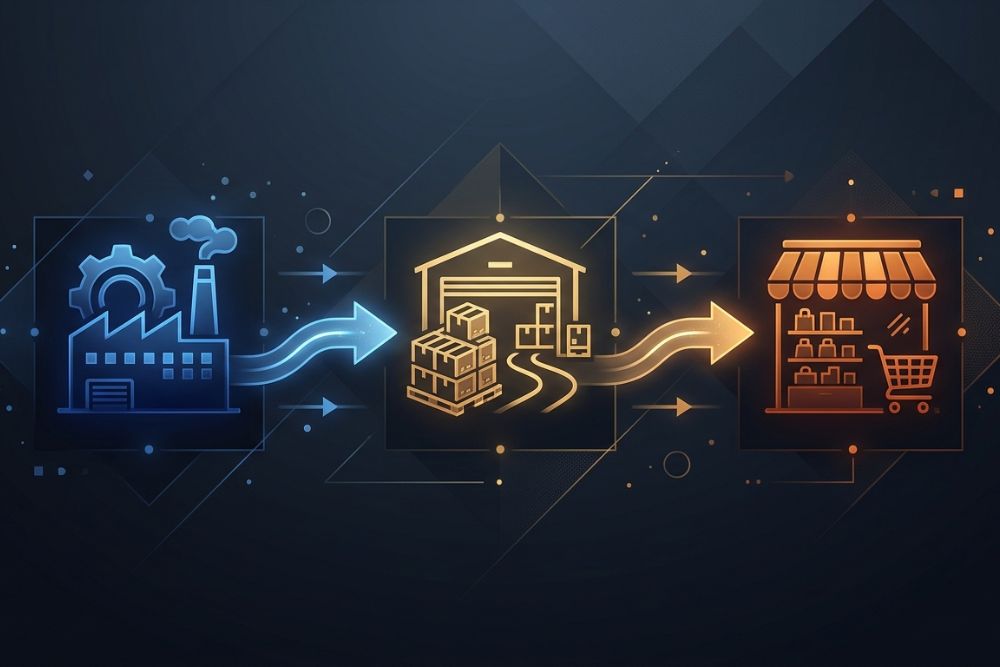
Secondary sales visibility is the ability to track product movement from distributors to retail outlets in near real time. While primary sales measure how much stock a company pushes into the channel, secondary sales reveal what is actually being sold to retailers, the true indicator of market demand.
In volatile FMCG markets, this distinction is critical. Brands that rely only on primary dispatch data risk overestimating performance. According to McKinsey & Company, organizations that digitize sales operations and improve data transparency can significantly increase productivity by eliminating reporting blind spots and improving execution accuracy.
Why Secondary Sales Matter More Than You Think
Secondary sales represent the point where demand truly materializes. They provide visibility into:
- Actual consumer demand patterns
- Outlet-level product acceptance
- Effectiveness of trade schemes and pricing
- Real momentum across territories and SKUs
Unlike primary sales, which reflect intent to sell, secondary sales reflect real market movement.
Yet many FMCG organizations still depend on:
- Manual distributor statements
- Weekly or monthly spreadsheet reporting
- Delayed, aggregated data with limited SKU-level accuracy
The result? Leadership reviews performance after the opportunity has passed. Decisions are based on hindsight rather than real-time insight, increasing the risk of stock ageing, scheme inefficiencies, and lost shelf space.
The Traditional Problem: Why Secondary Sales Lack Visibility
Let’s be honest about how secondary sales data is usually collected:
- Distributors send reports when they remember
- Data formats vary by region and partner
- SKU-level accuracy is questionable
- Numbers are often adjusted to “look better”
Even when data is available, it arrives days or weeks after the actual sale.
This creates several blind spots:
- High primary sales masking weak off-take
- Schemes evaluated after they’re over
- Inability to connect field activity with outcomes
- Poor demand forecasting
Without timely and reliable secondary sales data, leadership is essentially driving while looking in the rear-view mirror.
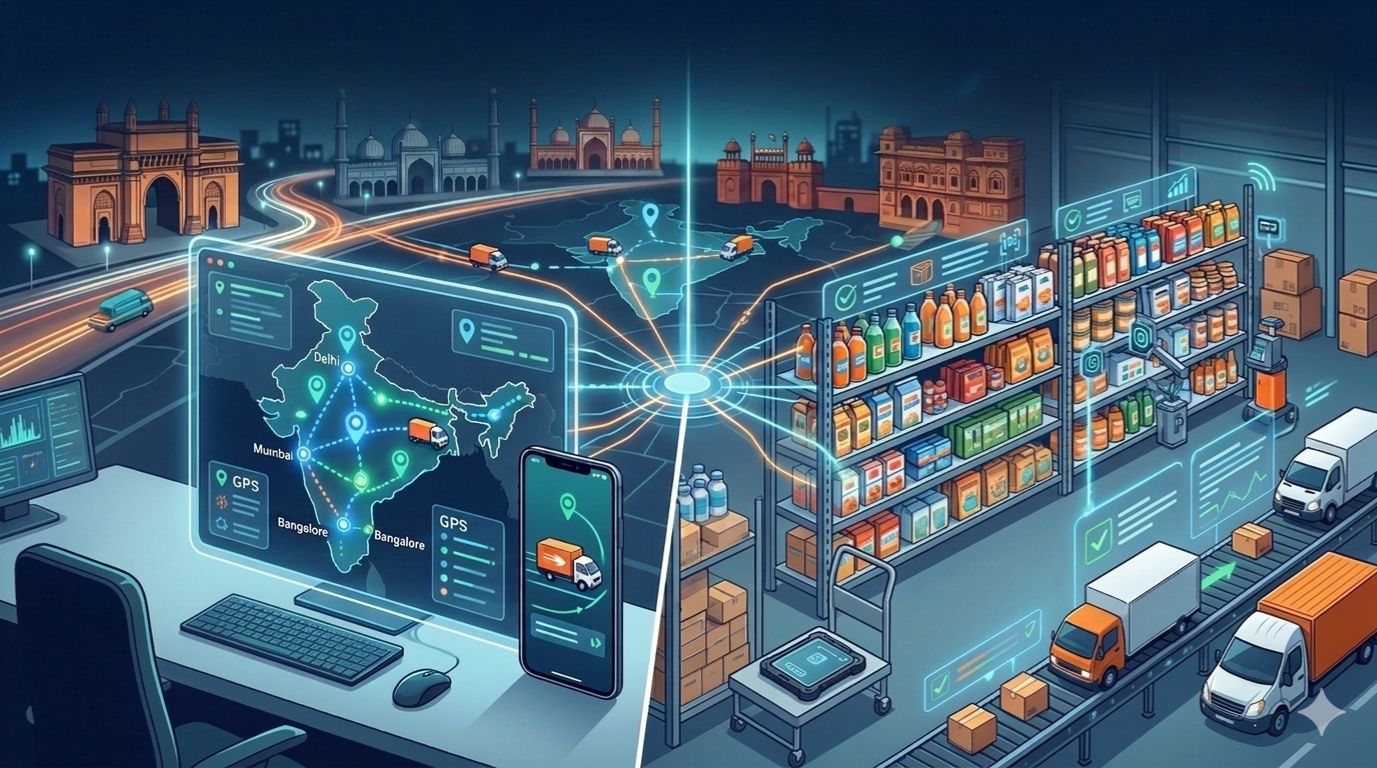
Sales Force Automation is often misunderstood as a rep-tracking or visit-logging tool. In reality, modern SFA platforms act as a real-time data capture and visibility layer between the market and the organisation.
At its core, SFA enables field sales teams to:
- Visit outlets as per planned beats
- Capture orders digitally at the retailer level
- Record SKU-wise quantities and values
- Sync data instantly to central dashboards
This simple shift from post-facto reporting to on-ground data capture fundamentally changes secondary sales visibility.
How SFA Improves Secondary Sales Visibility in Practice
-
Real-Time Order Capture at Retail Outlets
With SFA, sales representatives capture retailer orders directly during store visits. Each order is logged with:
- Outlet details
- Product SKUs
- Quantities and values
- Time and location
This removes dependency on distributor-reported data and provides near real-time visibility into secondary sales as they happen.
-
Outlet-Level Sales Transparency
Instead of aggregated numbers, SFA enables granular insights:
- Which outlets are ordering regularly
- Which outlets have gone silent
- Frequency and value of repeat orders
This allows managers to identify gaps in coverage, outlet drop-offs, and untapped potential at a micro level.
-
SKU-Level Offtake Visibility
Secondary sales challenges often hide at the SKU level.
SFA makes it possible to:
- Track fast-moving vs slow-moving products
- Identify regional or beat-level SKU trends
- Detect early signs of stagnation or overstocking
This level of visibility helps organisations respond before inventory issues escalate.
-
Linking Field Activity to Sales Outcomes
One of the biggest advantages of SFA is its ability to connect effort with results.
Managers can clearly see:
- Productive vs non-productive visits
- Visit-to-order conversion ratios
- Average order value per call
This shifts sales reviews from activity-based discussions to outcome-driven conversations.
-
Measuring Scheme and Promotion Effectiveness
Schemes often inflate primary sales but fail to drive real consumption.
With SFA-enabled secondary sales data, teams can:
- Track off-take during scheme periods
- Compare performance across regions and outlets
- Identify schemes that drive real demand vs stock loading
This leads to smarter trade spends and higher ROI on promotions.
From Reactive to Proactive Decision-Making
When secondary sales data flows in near real time, leadership no longer needs to wait for end-of-month reports.
SFA dashboards enable:
- Early detection of declining off-take
- Faster course correction in routes, pricing, or schemes
- Targeted coaching for underperforming reps or territories
Instead of reacting to problems after damage is done, organisations can intervene while there’s still time.
Primary Sales vs Secondary Sales: Avoiding the Illusion of Growth
Strong primary sales can create a dangerous illusion of success.
Without secondary sales visibility:
- Channels get overloaded
- Distributors carry unhealthy inventory
- Returns and expiries increase
SFA helps organisations balance the equation by aligning:
- Dispatch decisions
- Production planning
- Demand forecasting
All based on what’s actually selling in the market, not just what’s being shipped.
Business Impact of Improved Secondary Sales Visibility
When implemented and adopted well, SFA-driven visibility delivers tangible outcomes:
- More accurate demand forecasting
- Reduced inventory ageing and write-offs
- Better distributor relationships
- Higher field productivity
- Improved market responsiveness
Most importantly, it restores trust in sales data, something many FMCG leaders quietly struggle with.
Key Secondary Sales Metrics Enabled by SFA
Some of the most valuable metrics SFA unlocks include:
- Secondary sales value and volume
- Outlet coverage and productivity
- SKU-wise off-take trends
- Repeat order frequency
- Visit-to-order conversion ratio
These metrics shift sales reviews from assumptions to evidence.
Common Myths Around SFA and Secondary Sales
“Distributor data is sufficient.”
It rarely is, especially when it’s delayed or inconsistent.
“SFA is only for monitoring reps.”
In reality, its biggest value lies in visibility and execution intelligence.
“Secondary sales tracking is too complex.”
Modern SFA simplifies data capture by embedding it directly into daily field workflows.
Final Thoughts: Seeing the Market as It Really Is
Secondary sales visibility is no longer a “nice-to-have.” In competitive FMCG markets, it is a strategic necessity.
Sales Force Automation enables organisations to move from:
- Assumptions to insights
- Lagging reports to real-time visibility
- Channel push to market pull
Ultimately, SFA doesn’t just show you numbers; it shows you the truth of what’s happening in the market.
And in sales, truth is the most powerful advantage you can have.

 Beauty Advisor Application/Promoters App