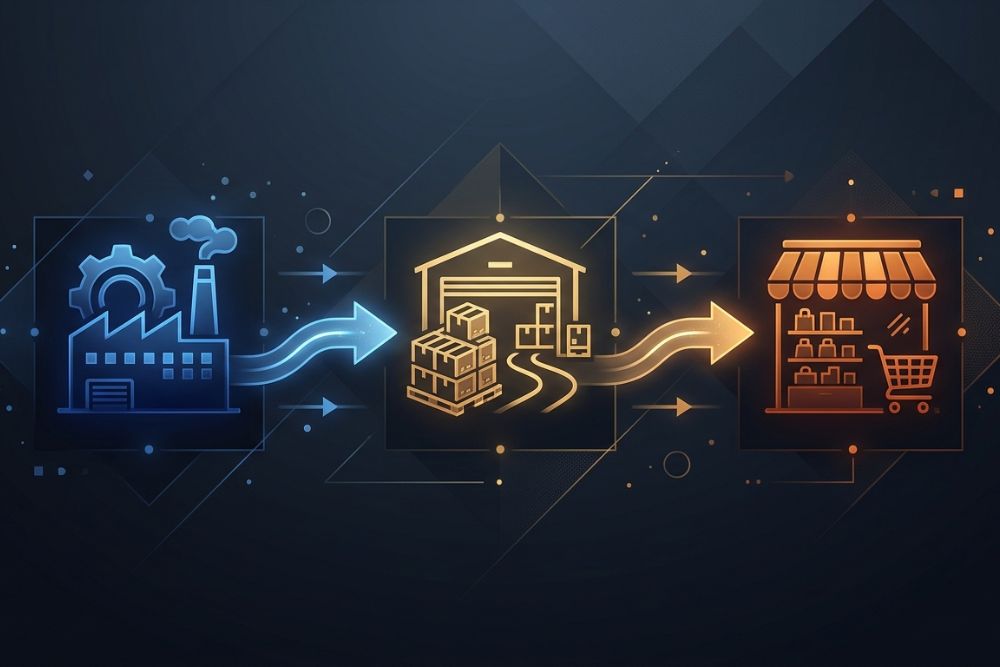
The beauty industry is booming, with global sales expected to pass $800 billion by 2027. But behind the glossy product photos and influencer campaigns is a less glamorous but incredibly important story: how all those products actually make it to store shelves and online carts.
From limited-edition lipsticks to skincare with short shelf lives, cosmetics need to move quickly and efficiently. One mistake, like ordering too much of a slow seller or not enough of a trending item, can mean wasted products, lost sales, and unhappy customers.
To handle all of this, many brands are turning to smarter, more connected tools like a Distribution Management System (DMS). Let’s break down what that means and why it’s making a real difference.
The Hidden Complexity of Cosmetic Distribution
Behind each lipstick, serum, or sheet mask is a high-pressure logistics process that has to account for:
- Dozens (or hundreds) of product types, many with short expiration dates
- Different beauty preferences in different regions
- Regulations that vary from country to country
- Trends that can explode overnight and fade just as fast
One viral TikTok video can suddenly make a certain lip balm the must-have item of the month. If your warehouse isn’t ready for that surge in demand, you’re left scrambling. And if you guessed wrong and overstocked the wrong item, you’re left with unsold inventory.
That’s why modern Distribution Management Systems (DMS) are changing the game.
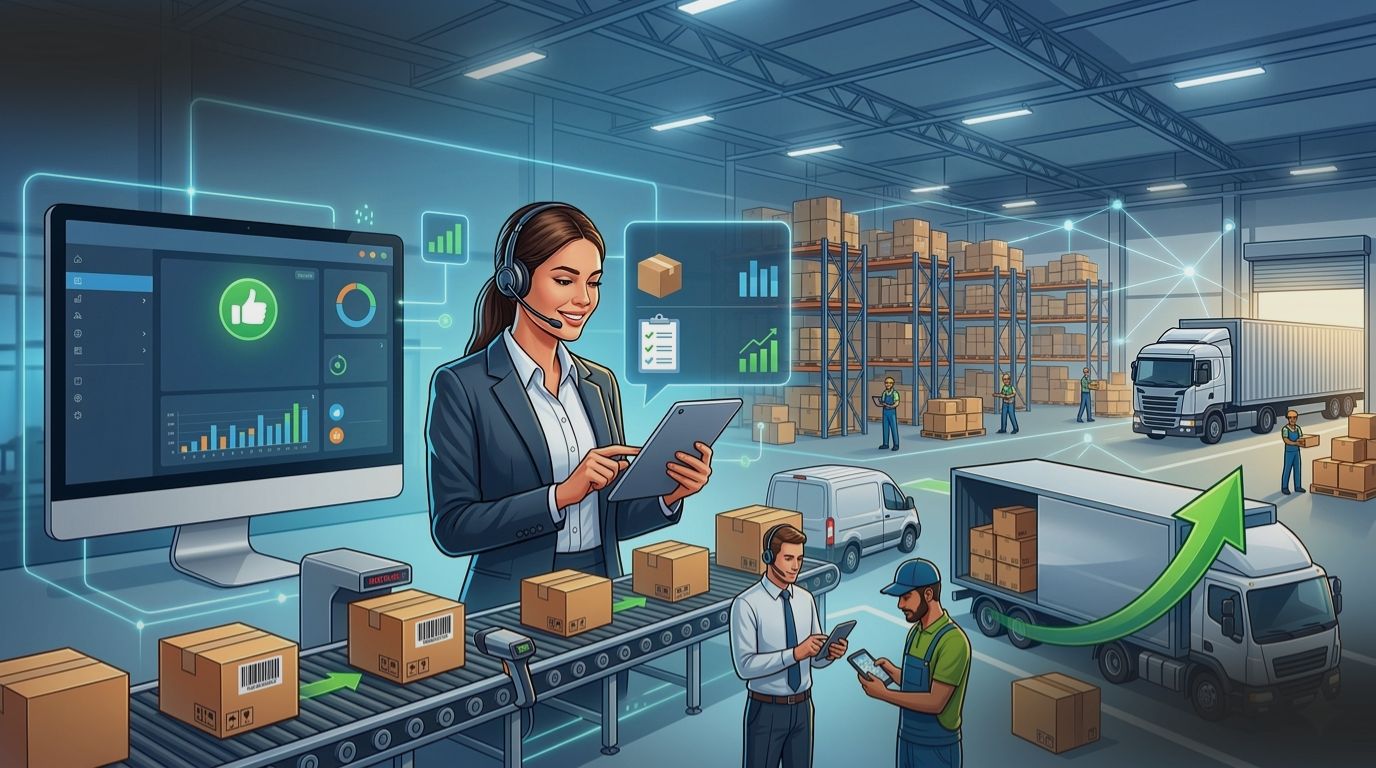
A Distribution Management System is a software solution that helps brands oversee how their products move through the supply chain. It supports key functions such as:
- Inventory management
- Order processing
- Shipment coordination
- Performance tracking across regions and product lines
By centralizing these operations in one platform, businesses can reduce errors, respond faster to changes in demand, and ensure consistent delivery performance across different markets.
How Modern DMS Tools Help Beauty Brands
1. Better Inventory Control
Beauty products often don’t sit on shelves for long, either because they sell quickly or expire. A good DMS helps avoid both overstock and out-of-stock situations by analysing:
- What sold well in the past
- Where products are trending
- What customers in specific regions are buying
- Seasonal patterns that impact demand
For example, if a certain face mist starts trending on Instagram, the system can recommend increasing shipments to high-demand areas before retailers run out.
2. Smarter Forecasting
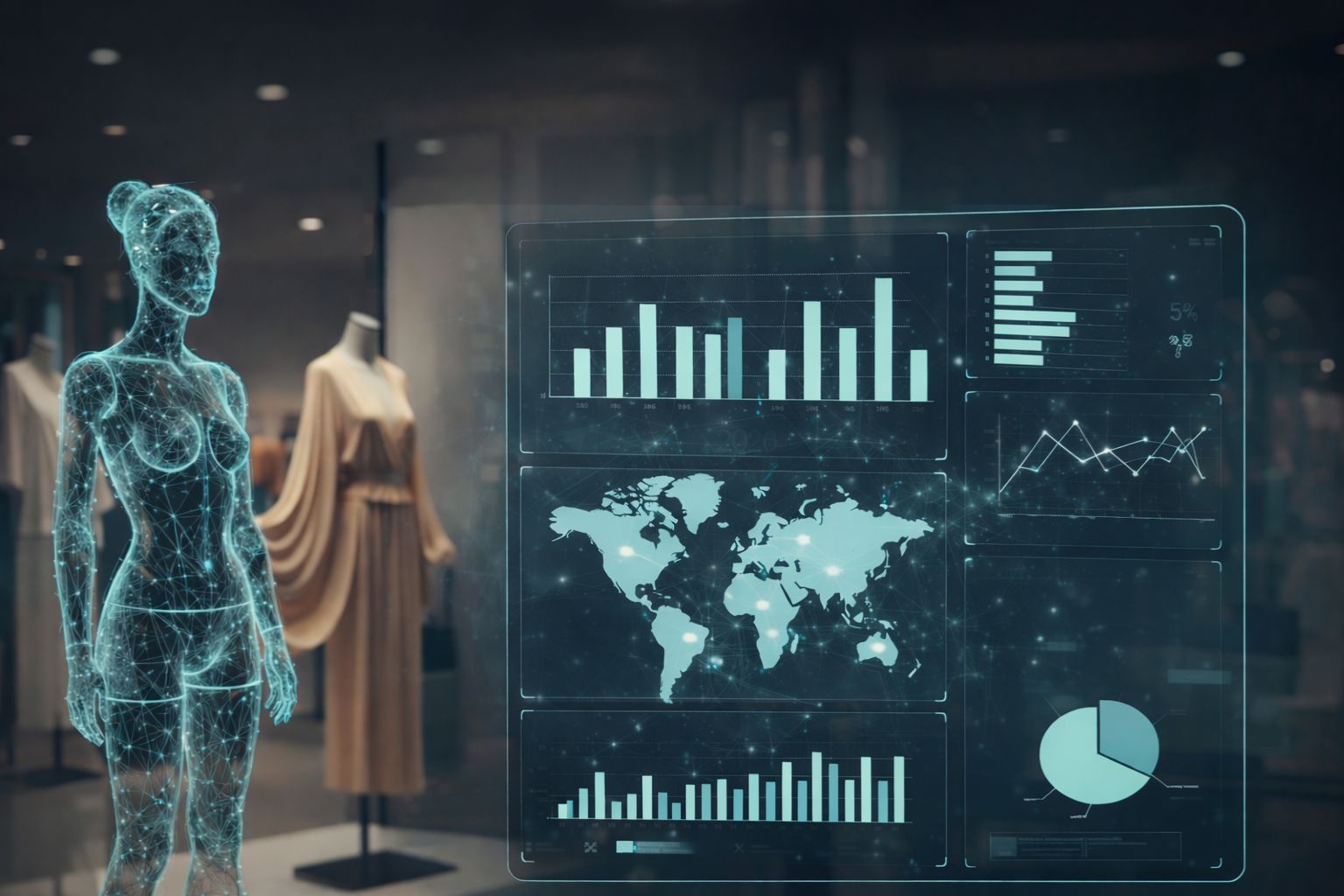
The old way of forecasting, looking at last year’s numbers and crossing your fingers, just doesn’t cut it anymore. By embracing an AI-powered transformation, a modern DMS uses real-time data to make smarter predictions and adjust stock levels before an issue arises.
Let’s say sales of moisturizers spike in one region during the dry season. A good system can spot that pattern and adjust stock levels before it becomes an issue.
3. Faster, More Reliable Shipping
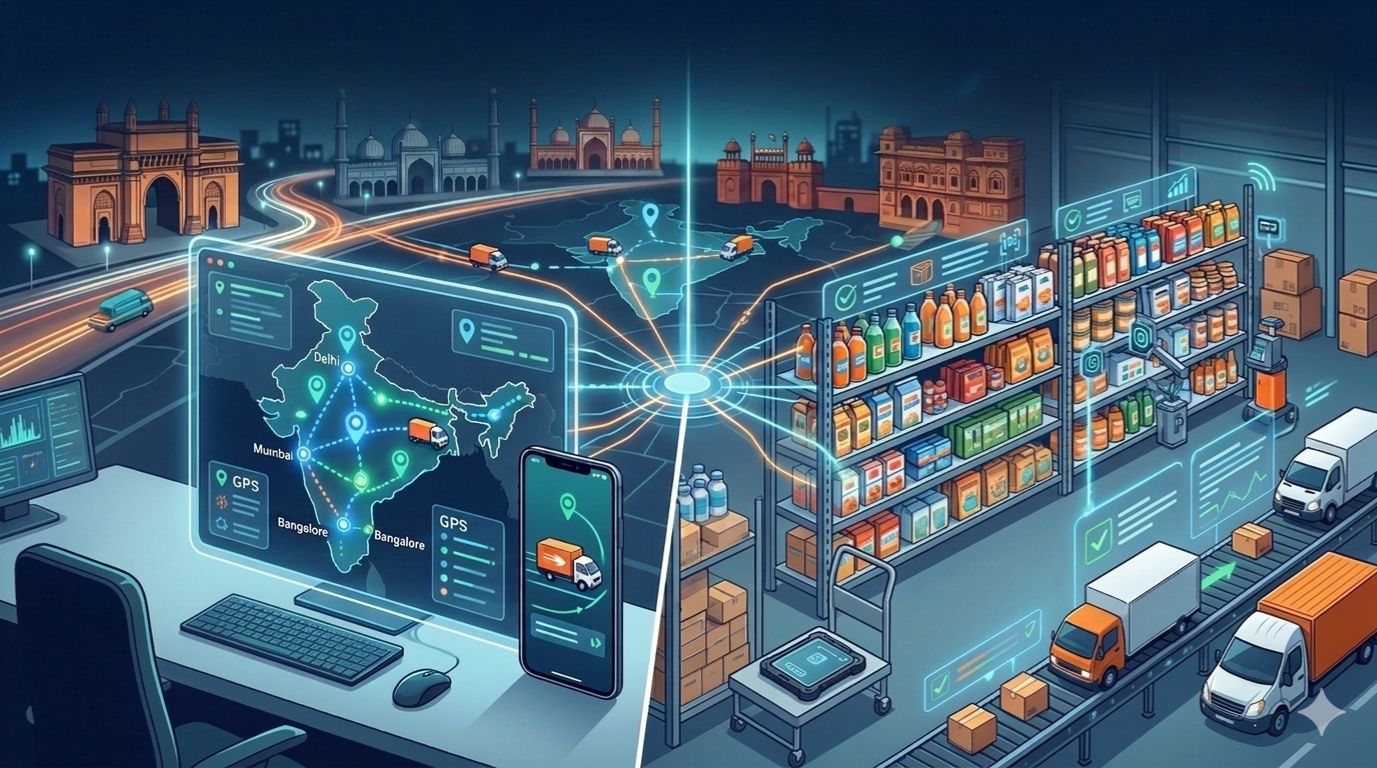
Nobody wants a late delivery, especially not a beauty brand during a product launch. DMS tools speed things up by suggesting the best delivery routes based on distance, traffic, and even weather. This logistical precision is the backbone of a successful Route-to-Market Strategy, ensuring products reach retailers without delay:
- Automating order and shipment processing
- Suggesting the best delivery routes based on distance, traffic, and even weather
- Giving real-time updates on every order’s location
This helps brands meet tight delivery windows and keeps retailers (and customers) happy.
4. More Personalized Distribution
Beauty tastes vary a lot by city, country, and customer age. Whether catering to metropolitan hubs or expanding into Rural and Tier 2 markets, a good DMS helps distributors understand what sells where, so they can stock accordingly
If Paris wants bold lipsticks and Stockholm prefers neutral tones, the system can spot that and guide the next shipment. Retailers get what they need, and shoppers get what they want.
Supporting Sustainability and Cutting Costs
As sustainability becomes a growing priority, a smarter DMS plays a role in reducing environmental impact. By managing inventory more efficiently and consolidating shipments, brands can lower product waste and reduce emissions.
For example, grouping deliveries for nearby retailers minimizes transportation costs and fuel usage. These savings also contribute to healthier profit margins and allow companies to reinvest in innovation or customer service.
What to Keep in Mind Before Upgrading
Switching to a new system can feel overwhelming, especially if you’re used to doing things manually. It might require upfront investment, technical support, and training for your team.
But the good news is that many providers, like MAssist as a DMS service provider, offer support tailored to the beauty industry. You don’t have to go all-in on day one – you can start small, roll out in phases, and build from there.
The Future of Beauty Distribution
The beauty world is fast-paced and constantly evolving and that includes how products are delivered. A smart DMS isn’t just a nice-to-have anymore. It’s a tool that helps you stay competitive, agile, and customer-focused.
Whether you’re a growing indie brand or a global player, improving your distribution process can lead to better margins, less waste, and stronger retailer relationships.
Now’s a good time to ask: Is your current system keeping up? If not, maybe it’s time to rethink how your products move and where you want to take your business next.

 Beauty Advisor Application/Promoters App