Imagine a circuit breaker that’s been under constant load for five years. It’s warm to the touch, humming with an audible strain, and on the verge of a catastrophic trip. This is the current state of many Fast-Moving Electrical Goods (FMEG) distribution models.
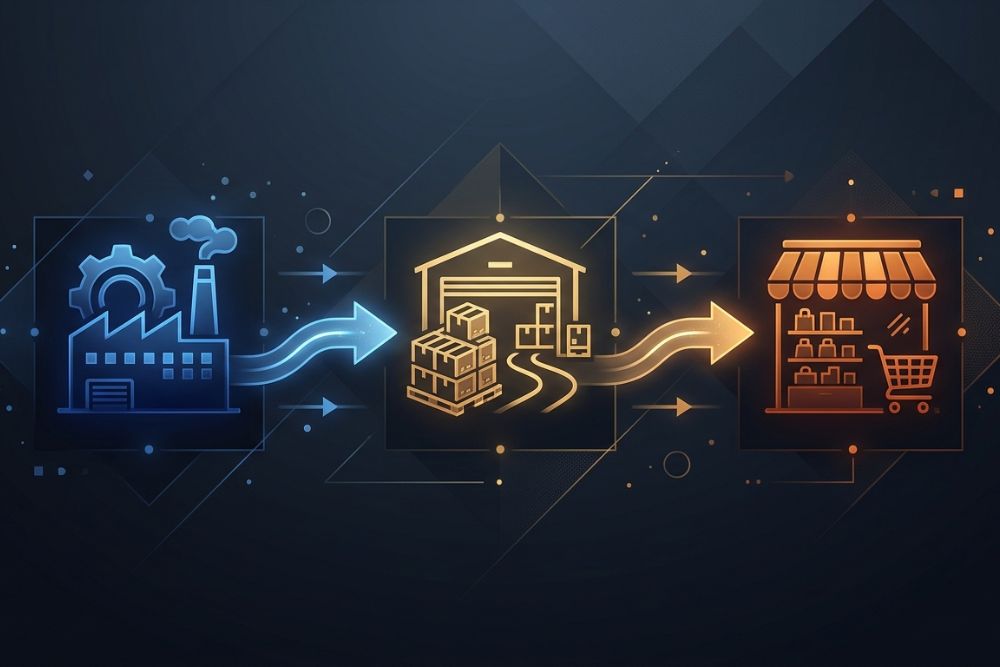
In 2026, the traditional “linear” supply chain, where products move blindly from factory to master agent to wholesaler-is no longer just inefficient; it’s a liability. With the rise of smart cities, decentralized energy resources (DERs), and a “quick-commerce” mindset even in B2B procurement, the FMEG sector is undergoing a significant shift. If your distribution strategy hasn’t been “rewired” for real-time agility, you aren’t just losing margins; you’re losing the grid.
What is FMEG Distribution 4.0?
Key Definition: FMEG Distribution 4.0 is a decentralized supply chain model utilizing Agentic AI and Ambient Intelligence to eliminate “ghost data” and enable automated rerouting, moving away from traditional linear, manual forecasting.
The FMEG market has evolved. We are no longer just selling switches and wires; we are selling the components of a connected ecosystem. However, most distributors are still operating on ‘ghost data’ because they lack a modern DMS, inventory numbers that are 24 hours old and demand forecasts based on last year’s spreadsheets.
Why the Old “Plug-and-Play” Model is Failing:
- The “Amazon-Effect” in B2B: Electricians and contractors now expect the same 2-hour delivery windows for a circuit breaker that they get for a smartphone.
- Inventory Bloat vs. Stockouts: Without predictive analytics, distributors often overstock slow-moving industrial switchgear while facing stockouts on high-demand smart home sensors.
- The Fragmented “Phygital” Gap: Buyers research online but want to pick up at a local hub. If your digital catalog doesn’t sync with physical shelf stock, the customer journey “shorts out.”
The “Electrical Upgrade”: Three Essential Rewiring Strategies
To stay competitive in 2026, FMEG brands must transition from reactive logistics to Predictive Distribution. This requires a fundamental upgrade of three core “circuits” within your CRM and ERP ecosystems.
-
Agentic AI: The New Load Balancer
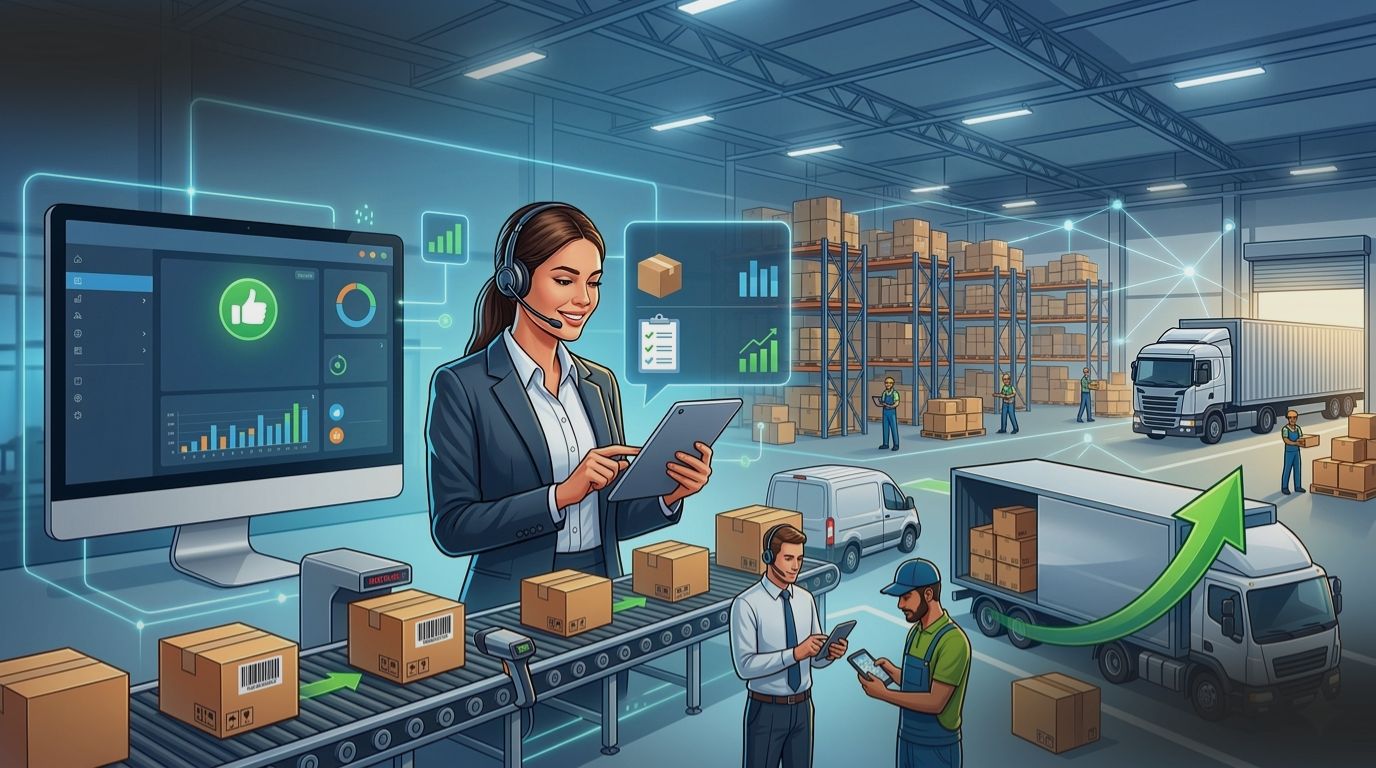
In 2026, we’ve moved beyond basic automation. Agentic AI, intelligence that can not only predict a disruption but also execute a solution, is the gold standard for B2B.
- The “Why”: If a shipment of copper wiring is delayed at a port, an AI agent can automatically reroute local inventory from a low-demand region to a high-priority construction site without human intervention.
- Impact: Reduces forecasting errors by up to 50% and slashes “lost sales” due to stockouts by nearly 65%.
-
Ambient Intelligence for Item-Level Visibility
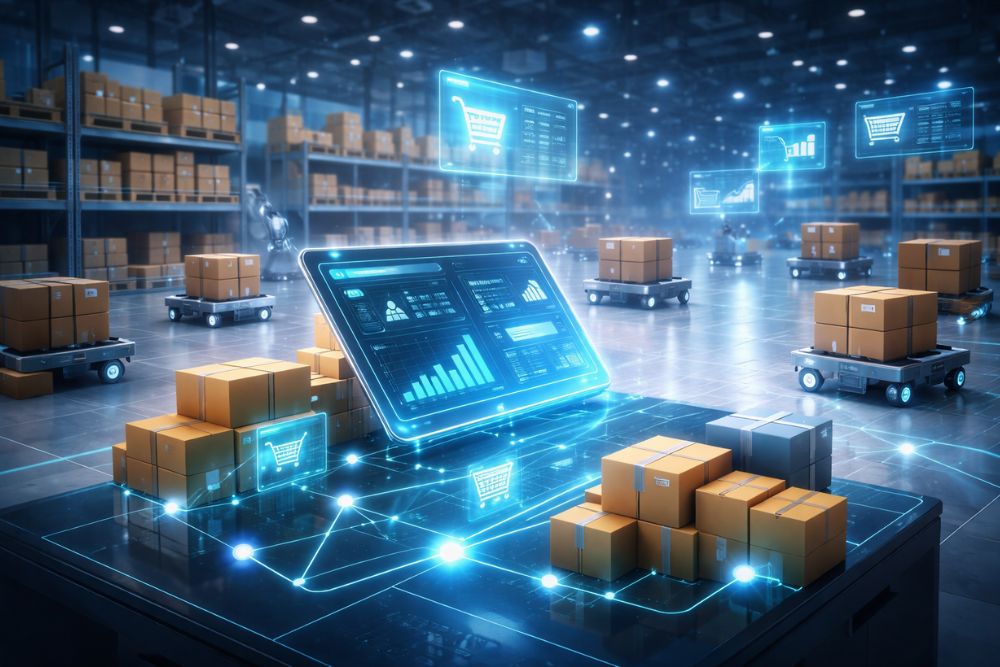
We have moved past traditional tracking into the era of Ambient Connectivity. These battery-free, ultra-low-cost digital tags provide a continuous, live context of every SKU in your warehouse.
- The “Why”: FMEG products often have strict storage requirements (e.g., moisture control for sensitive electronics). Ambient smart sensors monitor these conditions 24/7.
- Impact: Real-time visibility across the “middle mile” prevents damage and ensures that the “First-In, First-Out” (FIFO) method is mathematically perfect.
-
Unified B2B Omnichannel (D2P)
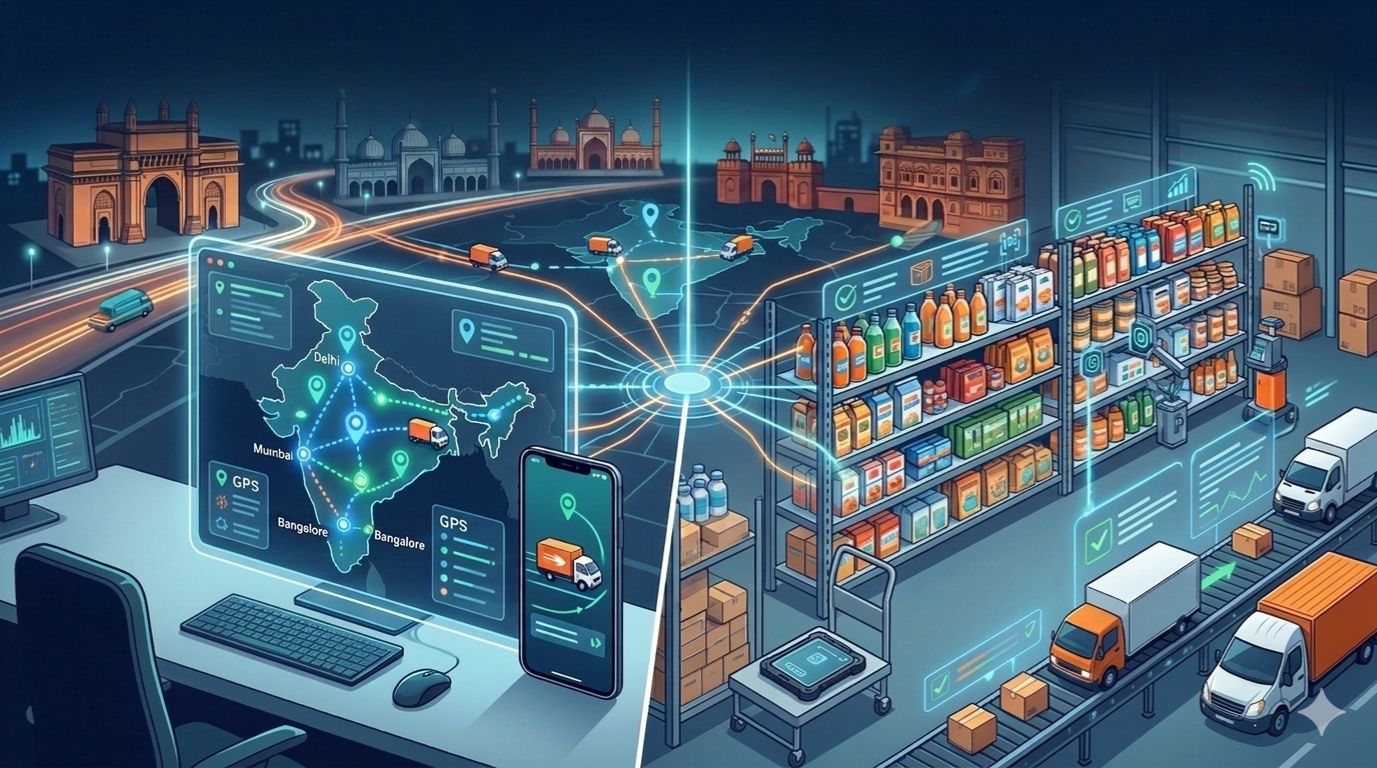
Direct-to-Professional (D2P) is the new D2C. Your distribution model must support a “unified commerce” surface where pricing, contract terms, and technical specifications are consistent across every touchpoint.
- The “Why”: A contractor at a job site needs to see their specific negotiated price on a mobile app and confirm that the local branch has 40 units of a specific LED driver ready for pickup.
- Impact: Streamlined ordering processes eliminate the “back-and-forth” of traditional sales calls, increasing order frequency.
2026 Comparison: Legacy vs. Modern Distribution
| Feature |
Legacy Distribution (2020) |
Electrical Upgrade (2026) |
| Forecasting |
Historical & Spreadsheet-based |
Predictive (Agentic AI) |
| Visibility |
SKU-level (Batched) |
Item-level (Ambient Intelligence) |
| Channel |
Siloed (Offline/Online) |
Phygital (Unified Commerce) |
| Sales Force |
Manual Beat Plans |
AI-Optimized Route & Visit Logic |
| Resilience |
Just-in-Time (Fragile) |
Just-in-Case (Regional Hubs) |
Pro-Tip: The “Zero-Downtime” Data Audit
Key Takeaway: Before investing in expensive hardware, perform a Data Conductivity Test. Most distribution failures in FMEG stem from fragmented data silos.
In 2026, your competitive advantage isn’t just your product; it’s the velocity of your information. Ensure your sales platform has a unified API surface that allows for real-time “Punchout” catalogs for your enterprise buyers.
Navigating the Geopolitical Surge Protectors
We cannot ignore that 2026 is a year of “The Great Reset” in global trade. Tariffs and shifting shipping routes have made “landed costs” volatile.
- Resilience over Efficiency: Smart FMEG leaders are moving away from “Just-in-Time” to “Just-in-Case” for critical components, utilizing regional micro-hubs to bypass global bottlenecks.
- Sustainability as a Metric: With ESG regulations tightening, your distribution model must track the carbon footprint of every delivery. A “green” supply chain is no longer marketing fluff; it’s a prerequisite for government and large-scale industrial contracts.
Conclusion: Don’t Let Your Business Trip the Breaker
The FMEG landscape of 2026 demands a distribution model that is as smart and connected as the products it carries. By integrating Agentic AI, Ambient Intelligence, and a truly unified B2B digital experience, you ensure that your supply chain stays “live.”
The transition isn’t just about moving boxes faster; it’s about building a resilient, self-correcting network that treats data as its most vital current.

 Beauty Advisor Application/Promoters App