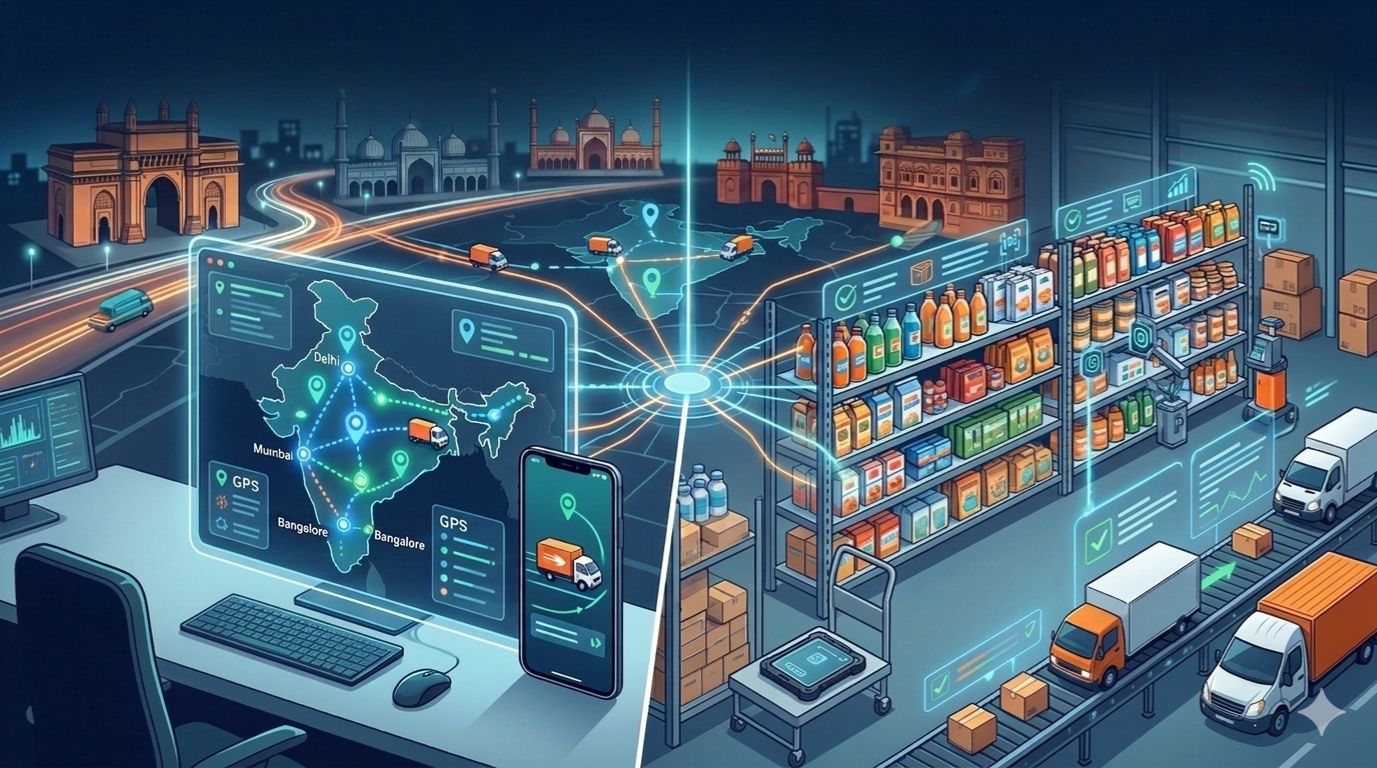
In a rapidly evolving market for fast-moving consumer goods (FMCG), artificial intelligence (AI) is becoming an invaluable advantage in the process of achieving profitability. Whether it’s boosting efficiency in route sales or intelligently enabling your sales force, AI will disrupt FMCG operations to allow for faster, smarter, and more impactful decisions.
Gone are the days where someone entered product and sales information into the system and gut feeling ruled the day. Now, we live in a world where data is the new oil, but only when refined by AI will that data yield insights that will change the game. So, let’s take a deep look at the ways AI is changing FMCG sales and field operations across the value chain.
The Changing Landscape of FMCG Sales
- Intense Competition and Complexity: FMCG companies work in extensive retail networks. They are experiencing fast-changing consumer behaviors and ever-increasing SKU complexity. Thousands of distributors and millions of retail points of sale, especially in emerging markets, require dexterity and insight. For brands looking beyond metros, capturing Rural Growth and Tier 2 markets is no longer optional—it is the next frontier of FMCG expansion.
- Legacy barriers: Manual process and disconnected systems create time delays in making decisions and expensive mistakes from humans still guiding the activities.
- Introduction of AI: Intelligent algorithms can now handle these complexities that are focused on automating, enabling, and precision.
Five Key Ways AI is Disrupting FMCG Sales and Field Operations
1. Improved Demand Prediction and Inventory Control
- Traditional Challenges: Overstocking and understocking, lost sales from being OOS, promotional waste.
- AI Approach: Analyzing of historical sales data, real-time market alerts, weather, local events, and social data enables AI to predict demand at a detailed level.
- Outcome: Fresher shelves, leaner warehouses, fewer lost sales, less excess inventory, and increased customer satisfaction.
2. Hyper-Personalized Trade Promotion and Activation
- Old Way: Offering blanket discounts or promotions applied the same way across regions with minimal measurements on effectiveness.
- AI Update: AI pulls in retail and consumer data so promotions can be personalized for specific stores or consumer segments, which improves ROI and engagement.
- Action: Field sales teams don’t need to create all of their promotional plans from scratch. They can now get data-driven recommendations of how to activate the most effective promotions and engage the retailer with what matters.
3. Increasing Field Force Productivity
- From Back Office Focus to Predictive Offers: Field reps often spend up to 25% of their time on administrative and reporting tasks.
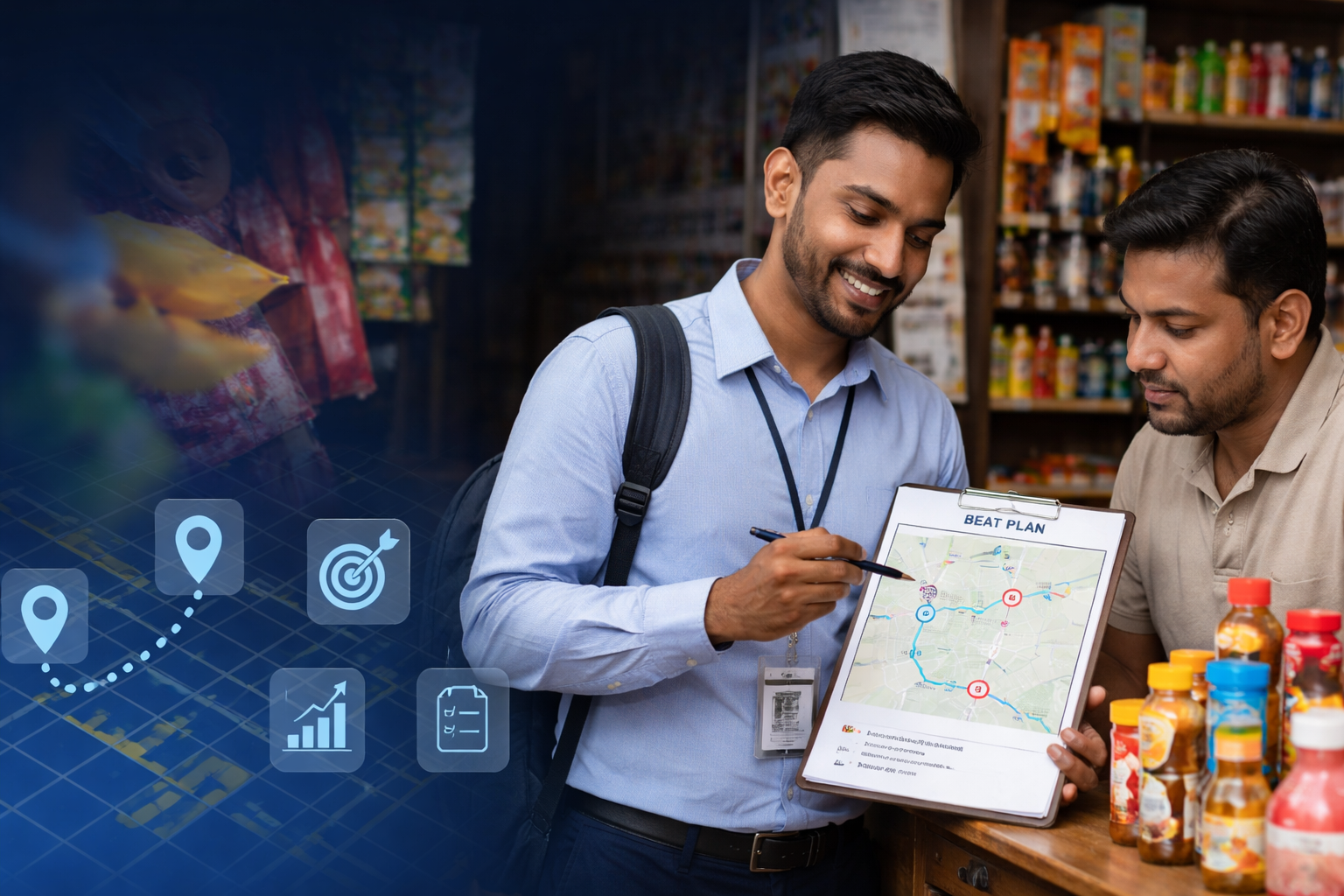
- AI Take: Mobile AI tools automate tasks, recommend the best route for store visits, and prioritize where to visit based on sales potential.
- With SFA with AI: Sales force automation (SFA) tools enhanced with AI will increase the capabilities of the field, allowing field agents to engage with retail members using meaningful data and tactics that matter.
4. Real-Time Retail Execution – Compliance and Visual Merchandising
- Old method: Shelf audits were done manually, reporting was delayed, and compliance tracking was inconsistent.
- AI Upgrade: Computer vision algorithms parse the shelf images taken by the field teams and thereby provide the information about stock-out, identification of the wrong SKUs, or bad planogram compliance instantly.
- Company Payoff: It is made possible to take corrective action at a much faster pace and, thus, there is an increase in shelf share and the retail presence is optimized.
5. Predictive Insights Drive Proactive Sales Management
- Problem: Managers were struggling with lagging reports and had little insight into real-time performance.
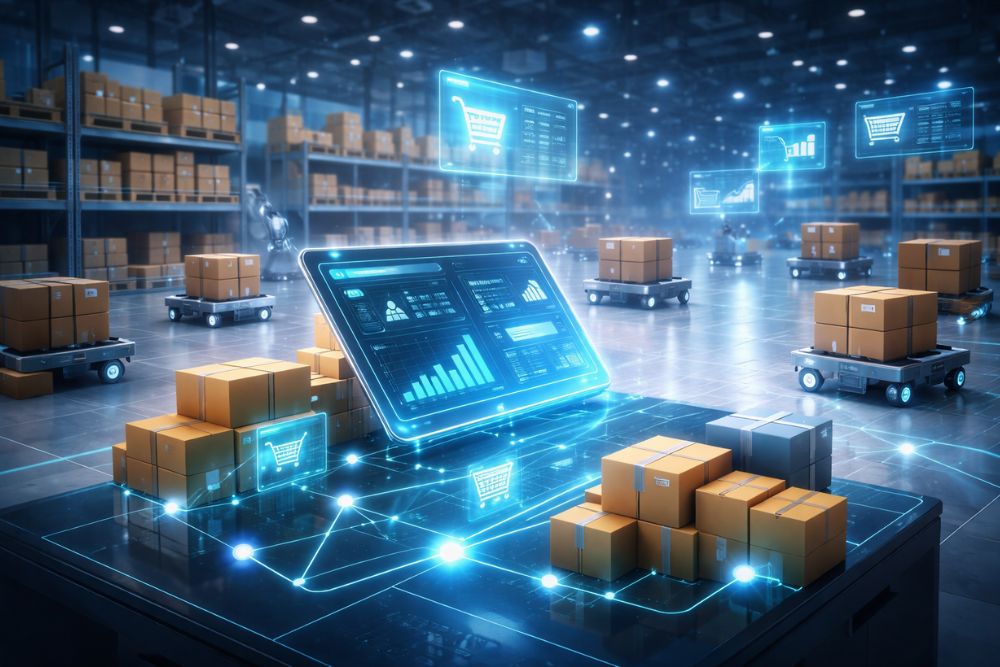
- AI Fix: AI-powered dashboards can handle enormous amounts of data coming from sales and operational activities. They spot action-able trends, warn managers on declining SKUs or point out missed targets.
- Value: Sales leaders have time to work on growth instead of going from one crisis to another.
The Human Element: Empowering Sales Teams, Not Replacing Them
AI does not mean that sales teams will be replaced, rather it is a tool that can make them superhuman.
- Guided Selling: AI makes sales calls more effective by providing the best pitch, suggesting products that can be sold together, and alerting to the opportunities for upselling based on the customer history and prevailing trends.
- On-the-Go Training: Field representatives can via AI-based microlearning modules get the skills they need for new products, compliance, or competitor moves directly on their mobile devices.
- Morale Booster: By automating the tedious and boring administrative tasks it becomes possible for the representatives to focus on activities that are more productive and engaging.
Real-World Use Cases: AI in Action for FMCG
| AI Application |
FMCG Impact |
Example |
| Demand Sensing and Forecasting |
Reduces stock-outs and excess inventory |
P&G leverages AI to align supply and demand models |
| Image Recognition for Merchandising |
Boosts planogram compliance |
Automated shelf-checks using mobile photos |
| Predictive Outlet Prioritization |
Improves route and visit planning |
Field reps focus on highest-potential stores |
| Promotion Effectiveness Analytics |
Maximizes promotional ROI |
Dynamic, data-driven trade programs |
| Real-Time KPI Dashboards |
Enables swift response and growth |
Sales managers act promptly before issues escalate |
Field Operations: Where the Rubber Meets the Road
Traditional field operations have been facing issues of:
- Delayed Data Entry: There was a delay in feedback which caused opportunities to be lost.
- Compliance Gaps: Relying on manual methods made it hard to track planogram adherence and verification of in-store execution.
- Low Sales Productivity: Too much time was spent on non-core activities.
AI-powered field solutions are doing this by:
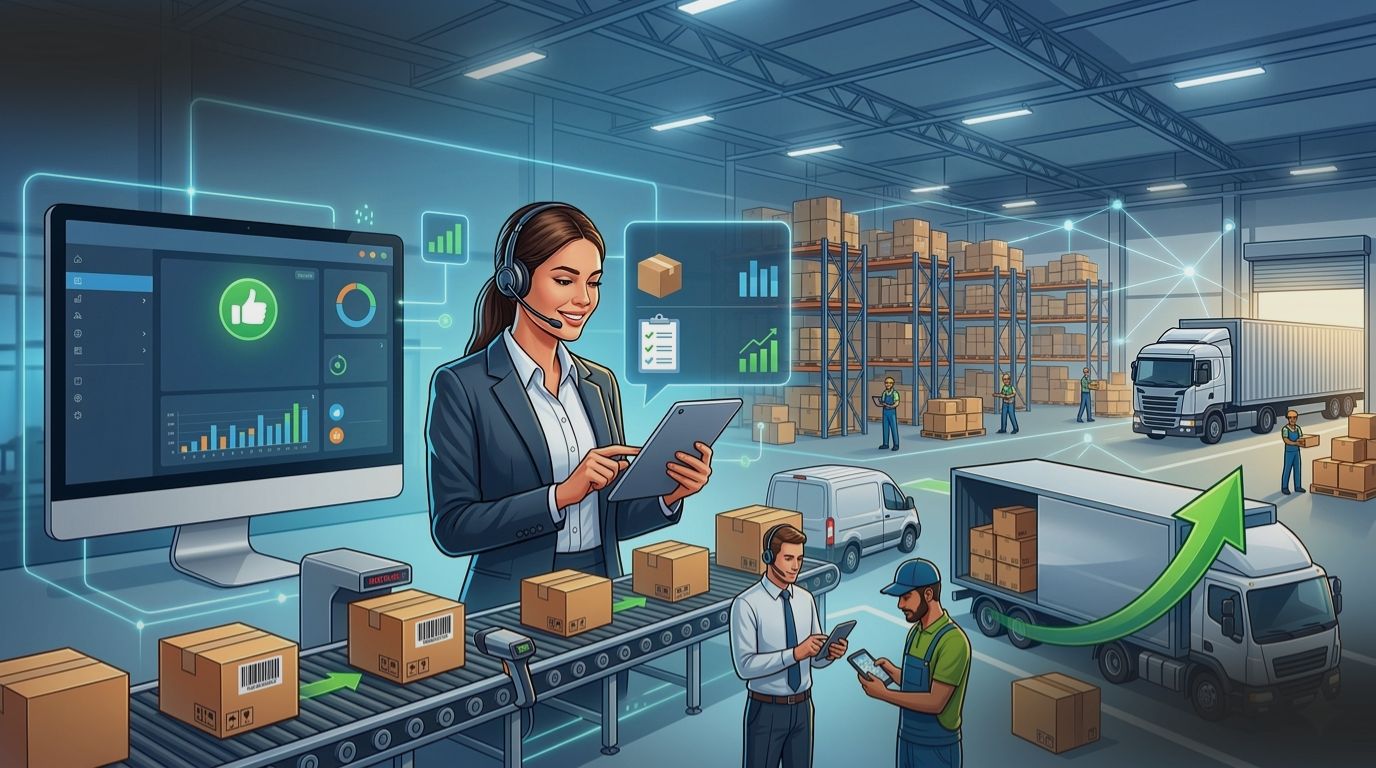
- They are automating data collection and are syncing the data in real-time.
- They are analyzing the market activities quickly and are giving the recommendations for the actions that can be done straight away.
- At the same time, they are reducing the manual interventions which, in turn, are lowering the number of errors and also creating a single source of truth.
The Future: FMCG Sales Force Automation Reimagined
FMCG companies with AI-powered SFA solutions can anticipate intelligent automation and take actions even before they are required, thus entering a new era of technological advancement.
- AI-Driven Route Planning: What used to be blind store visits will no longer exist, as every call will be strategic. This precision is a critical component of a modern Route-to-Market Strategy, ensuring FMCG brands reach the right stores at the right time.”
- Live Shelf Analytics: Faster than the competitors, you will be able to capture, diagnose, and take action. By leveraging AI in Retail Execution, brands can shift from simple compliance checklists to actual sales conversion at the shelf.
- Outcome-Based Incentives: They open the door to real-time performance-based pay through data-driven insights.
In that new paradigm, not only is success about working hard but also about working smart, where AI is your field team’s thought partner.
Practical Tips for FMCG Leaders Embracing AI
- Start Small, Scale Fast: Test AI initiatives in certain regions or product lines and grow based on the results achieved.
- Invest in Data Quality: Remember that AI is as good as the data it is fed. Take care of old data, set standards, and allow cooperation among teams.
- Prioritize Change Management: No matter how good the AI solutions are, they will not work if the field teams do not accept them. Pay attention to training, provide incentives, and demonstrate early victories.
- Measure What Matters: Do not focus only on vanity KPIs, instead, put the sales uplift, stock availability, and retailer satisfaction at the forefront.
Conclusion
AI is not merely a buzzword anymore but is very quickly turning into the main competitor of FMCG field operations that are facing the challenge of how to stay ahead. AI equips each and every one of the stakeholders ranging from the field representatives to the sales managers with the tools they need – be it predictive analytics, image recognition, real-time dashboards, or route optimization – in order to efficiently steer the business. The leaders of today in the usage of such technology will be the winners of tomorrow. The future of FMCG sales and field operations has arrived and it is characterized by intelligence, agility and complete transformation by artificial intelligence.

 Beauty Advisor Application/Promoters App