The Invisible Highway to Success: Why a Route-to-Market Strategy is the FMCG Game-Changer
Every FMCG brand faces a similar challenge: How do you differentiate yourself from the countless other products that look the same and, even more, how do you keep your product...
Every FMCG brand faces a similar challenge: How do you differentiate yourself from the countless other products that look the same and, even more, how do you keep your product always available to the consumer? The solution is not in a larger marketing budget but in a smarter Route-to-Market (RTM) strategy. By an incorrect RTM, the company may lose sales, have a bad brand reputation, and have inventory that does not sell. On the other hand, a carefully planned RTM strategy is a great tool that helps the company to be more efficient, gain more revenue, and be sure that its product is available everywhere from big cities’ supermarkets to small shops in remote areas.
FMCG companies need to understand the importance of a well-developed Route to Market strategy and also learn the proper way of building a distribution network that brings success by reading this article.
What does a Route-to-Market (RTM) Strategy mean in the FMCG sector?
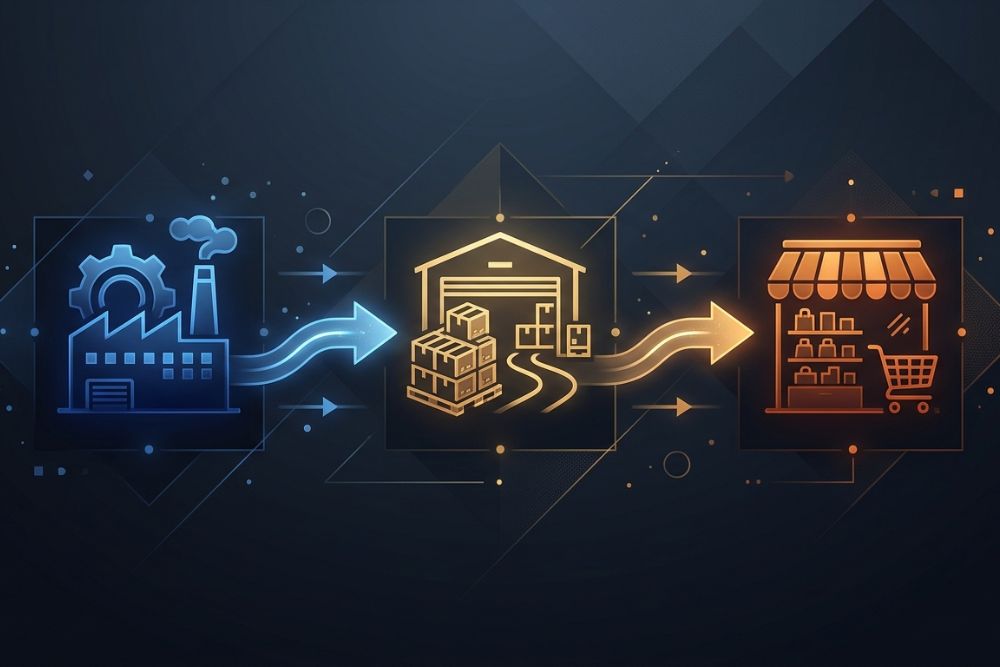
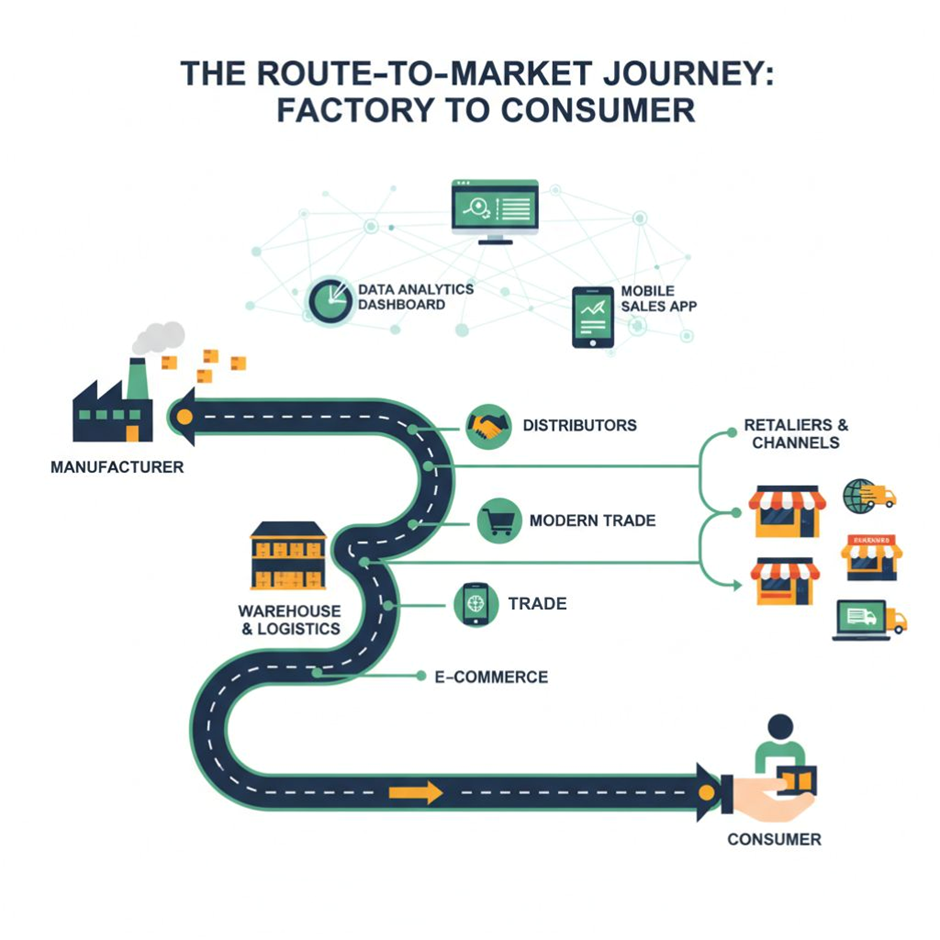
Put simply, the Route-to-Market plan is the detailed roadmap a business follows to bring its products to the final consumer after the products have been manufactured in the company’s factory. Essentially, the plan covers each step of the entire distribution chain, from the factory to the customer purchase point.
The main features of a successful RTM strategy include an intricate coordination of the following elements that are mutually interconnected:
Distribution Channels: The main decision revolves around whether to sell through wholesalers, distributors or direct-to-retail, e-commerce or a mixture of these channels.
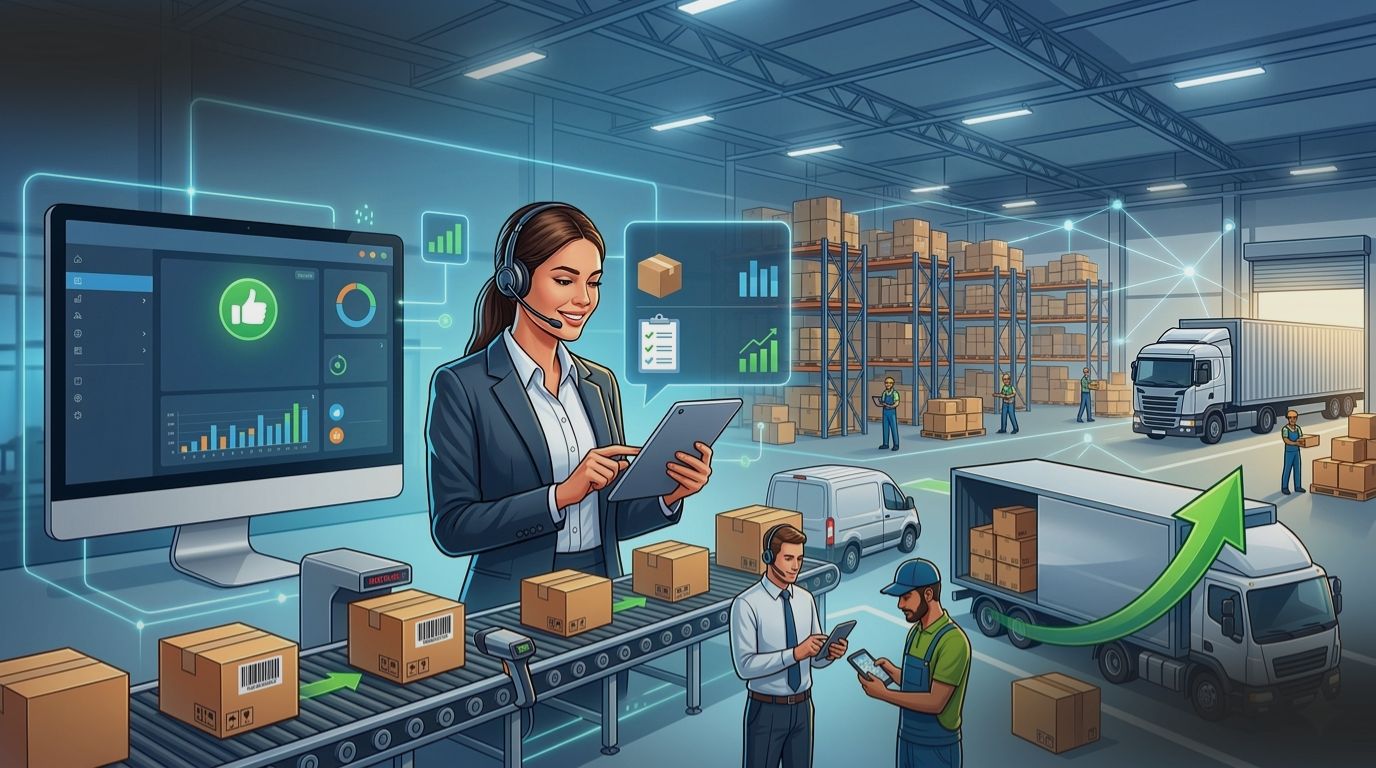
Logistics & Supply Chain Management: Business activities of warehousing, transportation, and stock need to be optimized so as to meet the customer demand for products at no or minimal extra costs.
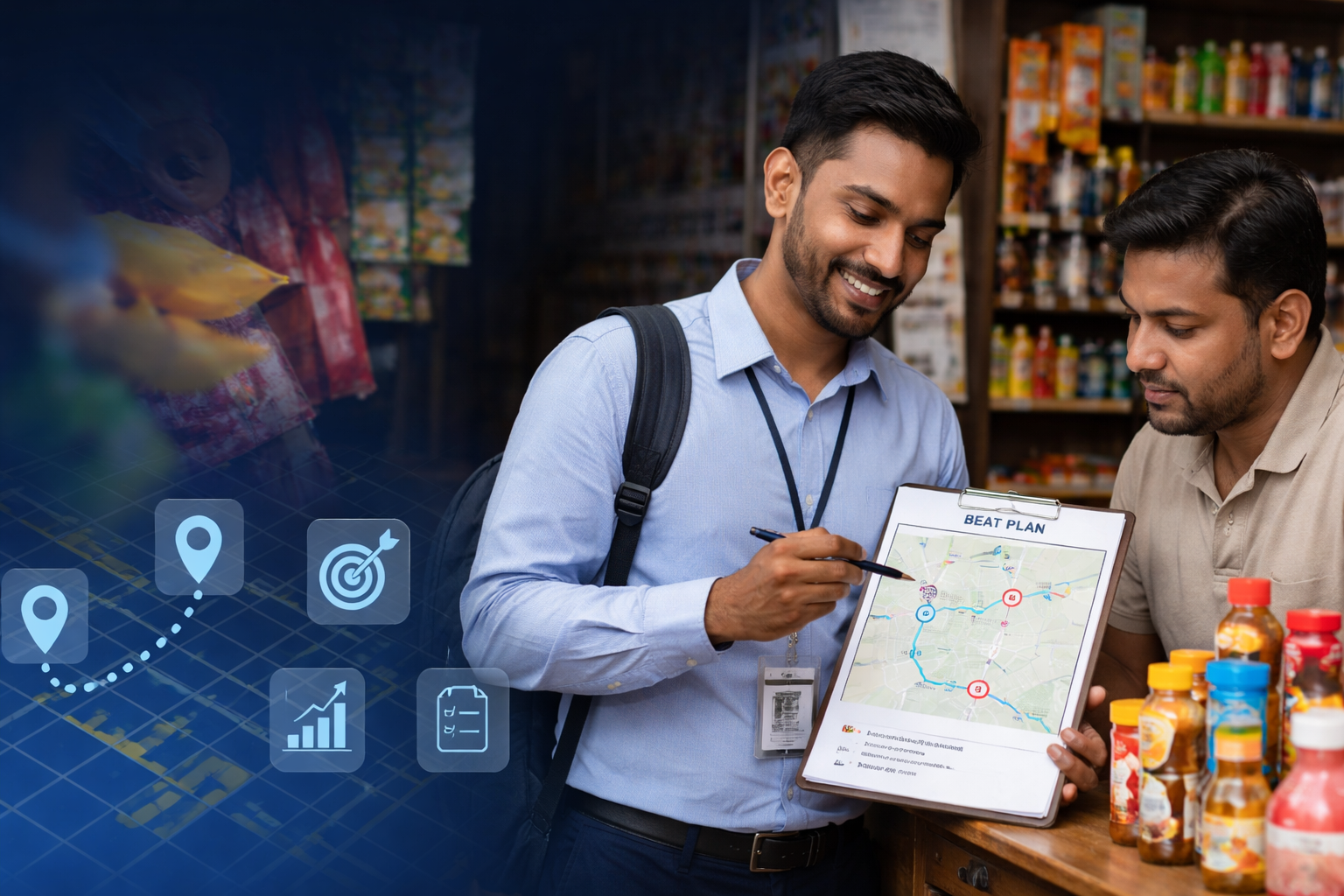
Sales & Field Force Management: The teams who work on the ground in sales and marketing departments should be equipped with the right tools and support plans that lead to efficient management of the sales outlets, capturing of orders and ensuring that the retailers execute as agreed upon.
Data and Analytics: The use of up-to-the-minute data enables the company to see the overall market performance, stocks status, as well as purchases behavior.
In addition, the FMCG is a very dynamic and fragmented area where each individual brand may have to serve millions of customers spread across thousands of cities and towns, thus using a static, one-size-fits-all approach would definitely lead to failure.
Unquestionable Significance of a Strong RTM Plan for FMCG Brands
If you ignore how strategically important your RTM is, it would be like assembling a state-of-the-art racing car and forgetting to build the track correctly. Below are the main reasons why it acts as a foundation for FMCG success:
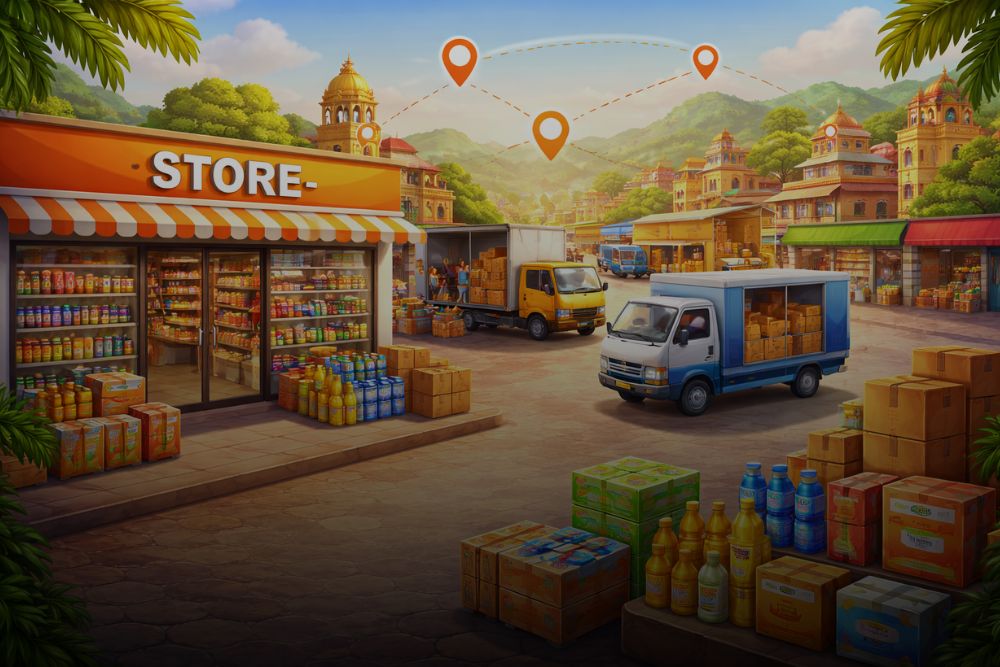
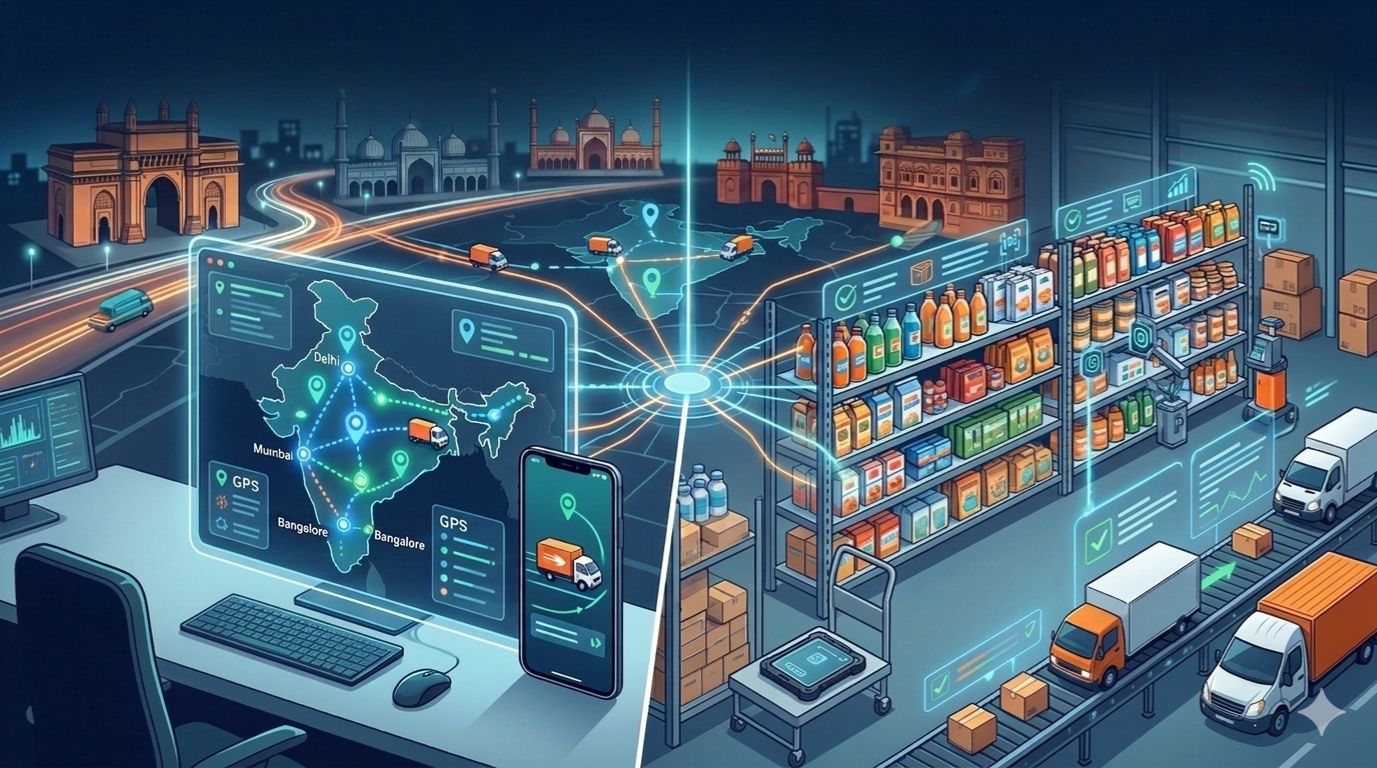
Firstly, Market Penetration and Reach: The RTM strategy that has been properly designed will lead the brand to explore and successfully enter different markets such as supermarkets and hypermarkets that are often located in big cities and can also be rural areas with countless small, independent kirana stores as well as other types of outlets forming the network of consumer goods distribution in emerging economies. The brand will have a presence everywhere if they do market segmentation and distribution channels correctly, thus meeting consumers and their needs.
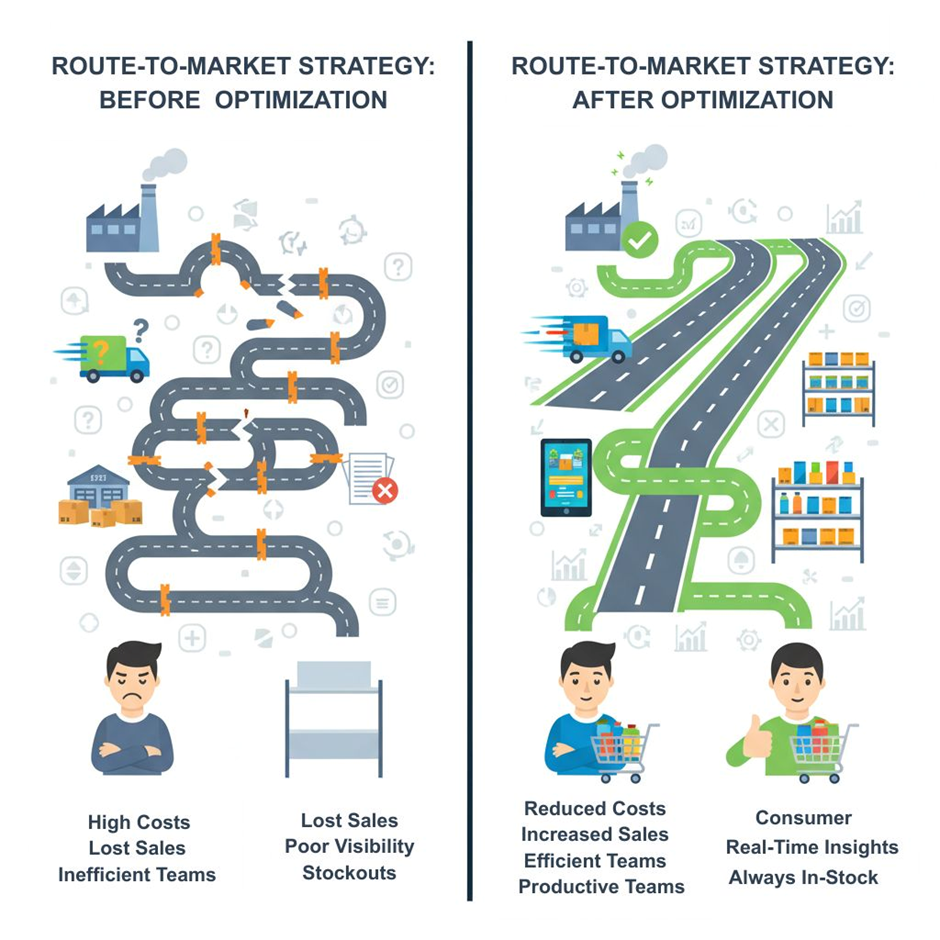
Secondly, there is the matter of optimized costs and enhanced profitability: Inefficient operations at any point in your distribution chain will lead directly to a drain on your profits. The RTM strategy, when executed efficiently, could enormously cut down on a company’s transportation, warehousing, and inventory holding expenses. Stock-outs and overstocking are minimized, thus the company avoids lost sales and lessens the waste of products that will expire without being sold.
Thirdly, the issue of better visibility and control: In a traditionally-distributed model, the stage at which the product leaves the warehouse is the point at which it enters a “black box” with limited or no visibility. Technology-enabled RTM strategies, on the other hand, offer visibility throughout the entire length of the supply chain. Everything – from the stock that a supplier holds to a sales executive’s daily route – can be tracked. Hence, the degree of clarity is highly valued in the FMCG industry when it comes to effective distribution.
Fourthly, the matter of sales force productivity improvement: Your field team is your RTM’s most vital organ without proper equipment, thus they are engaged in quite a few manual activities which take up their time. The effective RTM approach streamlines these functionalities, thereby allowing sales representatives to dedicate more time to cultivate relationships with retailer and less to administrative tasks. This obvious boost in productivity thus leads to higher sales and better market penetration.
Last but not least, the vital role of data-driven decision making: The information generated from an efficient RTM platform is like a treasure trove for the company. It uncovers unprecedented insights into what products, where, and when are consumed and what your competitors are doing to impact your sales. This instant market intelligence enables you to be very flexible and quick in deciding a wide range of things like starting promotional campaigns or launching new products.
Building a Future-Proof RTM Strategy with Technology
The conventional RTM framework, which heavily depends on human-controlled, paper-based operations and separated data, is inadequate to the present situation. The distribution of FMCG in the future will be based on technology-driven, integrated platforms. The change from one model to another entails the establishment of a single ecosystem that links all the stakeholders, from the manufacturer to the distributor, and the sales team to the retailer.
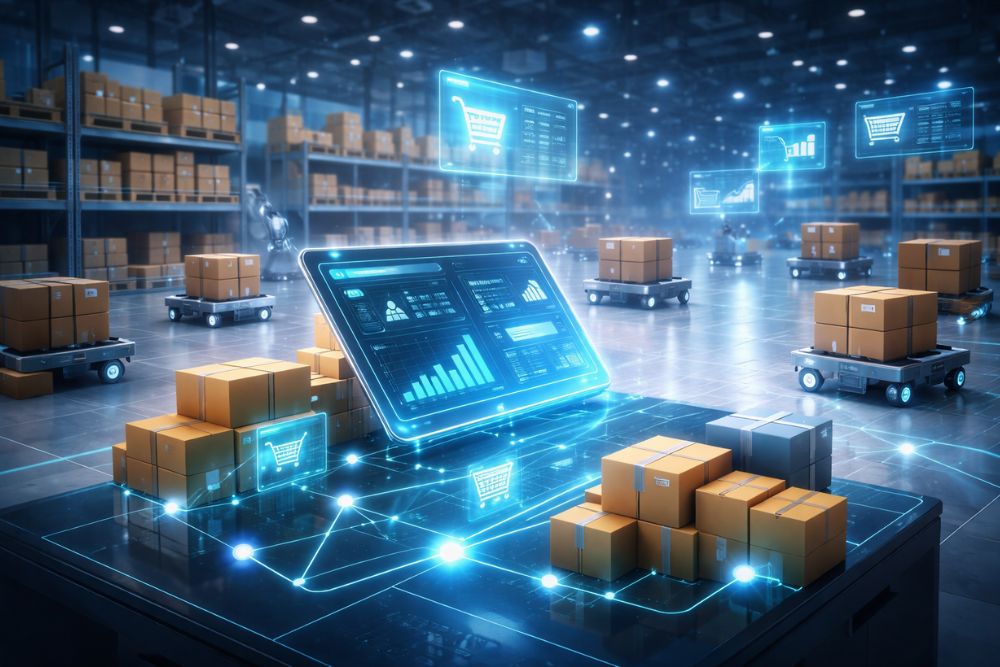
An intelligent, connected distribution platform is the right tool at hand to solve the problem. It is such a platform that takes the role of a perfect helper for the whole distribution ecosystem of a company, harmonizing easily complicated procedures.
Think of it as the most important organ of your distribution that controls all the functions. It offers:
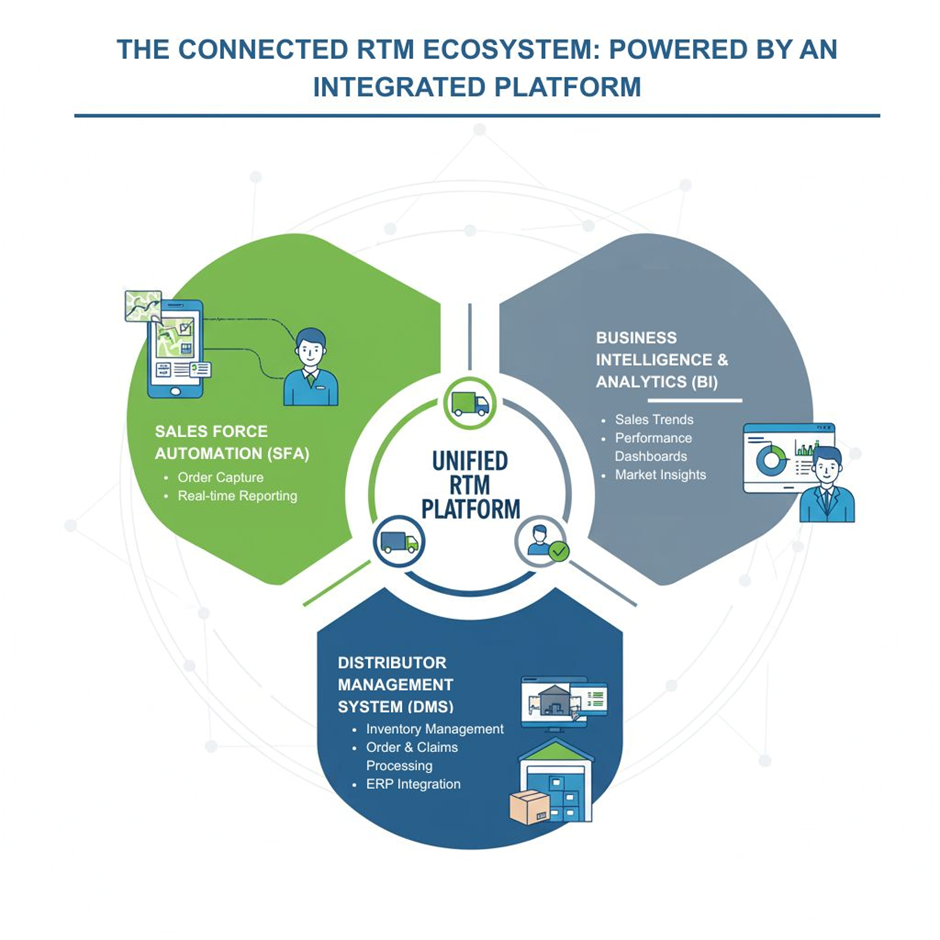
Sales Force Automation (SFA): Using mobile apps, your field force becomes capable of order capturing, beat plan tracking and report of market intelligence instantly. An up-to-date SFA like MAssist, is able to provide a variety of services such as generating attendance through geo-fencing, automatic route mapping and real-time order transactions thus drastically reducing the administrative burden and increasing productivity to a great extent.
Distributor Management System (DMS): Establishing an effortless and fully automated connection between you and your distributors for the management of inventory, sales, and claims. A complex DMS, for example, one from MAssist, not only guarantees bilateral visibility of stock and sales but also by doing so facilitates the automation of activities such as order management and claims submission. The DMS that you are using has an ERP interface that acts as a single source of truth, thereby giving a total overview of the system and enhancing collaboration.
Business Intelligence & Analytics: Producing insightful dashboards and reports by means of which leaders get a crystal-clear and easily processable view of performance in every channel and territory out of the raw data. A strong modular BI, which is the main platform behind MAssist, is capable of compiling real-time interactive reports on sales trends, outlet performance and competitor activities, among others. This is the point where data ceases to be a mere archive and becomes an instrument for prediction.
Through the use of an integrated platform, firms have the opportunity to go far beyond mere speculation and the quick manual solutions that are typical of their industry type. They are in a position to bring about a new mode of operation where systems that are automated take care of the routine tasks and at the same time provide preemptive alerts, thus enabling human resources to be engaged in strategic growth and relationship-building.
Conclusion: It’s Time to Optimize Your FMCG Route-to-Market
The fast-moving consumer goods industry is a constantly changing environment in which having excellent products is not enough. The real winners are those who successfully implement the art and science of their Route-to-Market tactic. By adopting state-of-the-art, technology-driven means, you are capable of turning your distribution from a source of cost into a major contributor of growth.
Placing money in a thorough RTM plan is tantamount to putting money into a system that is efficient, visible, and scalable. It gives you the opportunity not only of fulfilling but also of surpassing the requirements of a highly competitive market, thus ensuring your brand is always conveniently placed on the shelf awaiting the consumer. The time has come to quit regarding RTM as a back-end operation and begin acknowledging it for what it is: the essential tool that opens the door to viable, long-term FMCG success.
Frequently Asked Questions (FAQs) about Route-to-Market Strategies
Q1: What is the primary goal of a Route-to-Market strategy in the FMCG sector?
Answer: The primary goal is to ensure your products efficiently and profitably reach the end consumer through the optimal combination of distribution channels, logistics, and sales processes.
Q2: How does technology improve RTM strategies?
Answer: Technology, such as a platform like MAssist, improves RTM by providing real-time data on sales, inventory, and field activities. This enhances visibility, automates manual tasks, reduces costs, and enables data-driven decision-making.
Q3: What are the biggest challenges in FMCG distribution?
Answer: Common challenges include managing a fragmented network of distributors and retailers, ensuring product availability to prevent stock-outs, and a lack of real-time visibility into market performance and sales activities.
Q4: How can a platform like MAssist help my FMCG business?
Answer: MAssist streamlines your entire RTM process by integrating Sales Force Automation (SFA), a Distributor Management System (DMS), and powerful Business Intelligence (BI) into a single platform. This helps you boost sales, increase efficiency, and gain critical market insights.
 Beauty Advisor Application/Promoters App